
Discover Motijhil (Murshidabad): The Ultimate Travel & Bird-Watching Guide
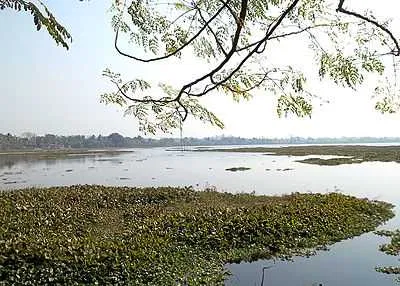
Nestled in the historic landscape of Murshidabad, Motijhil—literally meaning “Pearl Lake”—is a unique horseshoe-shaped wetland that blends natural beauty, rich Nawabi heritage, and thriving birdlife. Once associated with pearl cultivation and the Bengal Nawabs, this oxbow lake today attracts history enthusiasts, nature lovers, photographers, and birdwatchers alike. Whether you are exploring Murshidabad’s heritage circuit or seeking a peaceful wetland retreat, Motijhil offers an unforgettable experience.
Birdwatching, Heritage Tourism, Photography, Family Visits
Katra Mosque
Kathgola Palace
Nashipur Rajbari
Murshidabad Heritage Circuit
Heritage exploration
Boating (seasonal)
village walks
photography
Where is Motijhil?
Motijhil is located approximately 3 km south-east of the famous Hazarduari Palace in Murshidabad. The wetland originated from a former channel of the Bhagirathi River, making it an oxbow lake of significant ecological and historical importance. The area is surrounded by heritage structures, gardens, and archaeological remains dating back to the Nawabi era.
Why is Motijhil Special?
Motijhil is much more than a scenic lake. It is deeply intertwined with the history of Bengal’s Nawabs. The lake was developed during the eighteenth century by Nawazish Muhammad Khan and became the residence of Ghaseti Begum. The surrounding area includes historic monuments, mosques, tombs, and remnants of palaces that played important roles in Bengal’s political history. Today, the lake serves as both a heritage destination and an important wetland ecosystem supporting diverse birdlife.
The name “Motijhil” or “Pearl Lake” is believed to have originated from the pearl cultivation once practiced in the waterbody during the Nawabi period.
Birdwatching at Motijhil?
Migratory Birds
During winter, thousands of migratory birds arrive from northern regions. Some of the most sought-after species include:
- Lesser Whistling Duck
- Gadwall
- Northern Pintail
- Common Teal
- Garganey
- Eurasian Wigeon
- Northern Shoveler
- Common Pochard
- Tufted Duck
- Various migratory waders
- Grebes
Resident Birds
Throughout the year visitors may observe:
- Little Cormorant
- Great Cormorant
- Indian Pond Heron
- Cattle Egret
- Little Egret
- Purple Heron
- White-throated Kingfisher
- Common Kingfisher
- Bronze-winged Jacana
- Pheasant-tailed Jacana
- Purple Swamphen
- Moorhen
- Various egrets and herons
- Drongos and Bulbuls in surrounding vegetation
Birds Of Motijhil
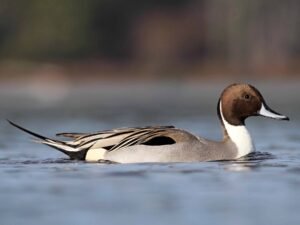
Northern Pintail
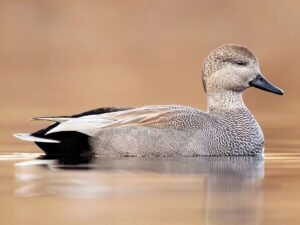
Gadwall
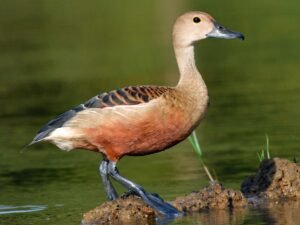
Lesser Whistling Duck
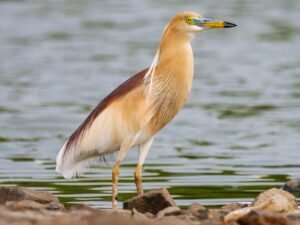
Indian Pond Heron