Wetlands of Bengal

Motijhil: Exploring Murshidabad’s Historic Wetland and Birdwatching Haven

Motijhil: Exploring Murshidabad’s Historic Wetland and Birdwatching Haven

Motijhil: Where Wetland Heritage Meets Nawabi History

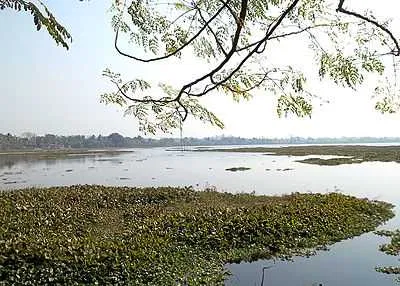
Nestled in the heart of Murshidabad, Motijhil is one of West Bengal’s most unique wetland destinations, offering a rare blend of history, culture, and biodiversity. Known as the “Pearl Lake” of Murshidabad, this horseshoe-shaped oxbow lake was once at the centre of Bengal’s Nawabi era and continues to attract tourists, birdwatchers, photographers, and heritage enthusiasts.

Unlike many wetlands that are known solely for their ecological importance, Motijhil tells a fascinating story of Bengal’s political history while supporting a thriving wetland ecosystem. Whether you are interested in birdwatching, landscape photography, heritage tourism, or simply enjoying a peaceful day in nature, Motijhil offers an unforgettable experience.

Where is Motijhil?

Motijhil is located in Murshidabad district, approximately 3 kilometres from the famous Hazarduari Palace in Lalbagh. The wetland is situated along an old channel of the Bhagirathi River and was formed naturally as an oxbow lake after the river changed its course over time. Today, it remains one of the most historically significant wetlands in West Bengal.

Distance from Kolkata

Motijhil is located approximately 200 kilometres from Kolkata by road. The journey typically takes around 4.5 to 5.5 hours depending on traffic and route conditions, making it an ideal weekend destination for travellers from Kolkata.

Nearest Railway Station

The nearest railway stations are:

  • Murshidabad Railway Station (approximately 3 km)
  • Berhampore Court Railway Station (approximately 12 km)

Both stations are well connected with Kolkata and other major cities of eastern India. Visitors can easily hire auto-rickshaws, toto services, or taxis to reach Motijhil.

How to Reach Motijhil

By Train

Regular trains connect Kolkata with Murshidabad and Berhampore. From the railway station, local transport is readily available.

By Road

Visitors can travel via NH-12 from Kolkata through Krishnanagar and Berhampore before reaching Murshidabad.

By Air

The nearest airport is Netaji Subhas Chandra Bose International Airport, Kolkata, located approximately 195 kilometres away.

The Fascinating History of Motijhil

Motijhil literally means “Pearl Lake.” According to historical accounts, the lake derived its name from the pearl cultivation that once flourished here during the Nawabi period. The lake was famous for producing pearls with a distinctive golden tint, making it an important centre of economic activity during the eighteenth century.

The lake was developed by Nawazish Muhammad Khan, son-in-law of Nawab Alivardi Khan, during the mid-18th century. Beside the lake he constructed the magnificent Motijhil Palace, also known as Sang-i-Dalan or the Stone Palace. The area later became associated with influential figures such as Ghaseti Begum, Siraj-ud-Daulah, Robert Clive, and Warren Hastings, making it a key location in Bengal’s transition from Nawabi rule to British administration.

Today, the remnants of the palace, the historic Kala Masjid (Motijhil Mosque), tomb complexes, and the surrounding wetland landscape provide visitors with a glimpse into Bengal’s rich past.

Why is Motijhil Important?

Motijhil is significant for both its ecological and historical value.

The wetland:

  • Supports a diverse population of resident and migratory waterbirds.
  • Functions as a natural water retention system.
  • Provides habitat for fish, amphibians, reptiles, and aquatic plants.
  • Preserves an important oxbow lake ecosystem of the Bhagirathi floodplain.
  • Protects historical monuments linked to Bengal’s Nawabi era.
  • Contributes to eco-tourism and heritage tourism in Murshidabad.

Birdwatching at Motijhil

Motijhil has emerged as a popular destination for birdwatchers, especially during the winter months. Studies conducted at the lake have recorded dozens of waterbird species, with significantly higher bird diversity during winter due to the arrival of migratory birds.

Migratory Birds

Winter visitors may include:

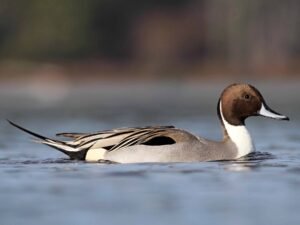
  • Northern Pintail
  • Common Teal
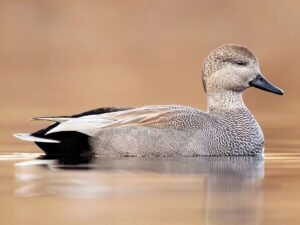
  • Gadwall
  • Eurasian Wigeon
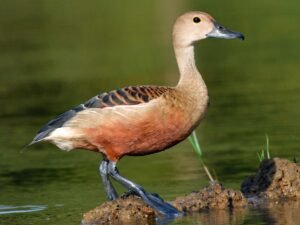
  • Lesser Whistling Duck
  • Various migratory ducks and waterfowl
  • Migratory waders and shorebirds

These birds arrive from northern and central Asian regions and use the wetland for feeding and resting during migration.

Resident Birds

Birdwatchers can observe numerous resident species throughout the year, including:

  • Little Cormorant
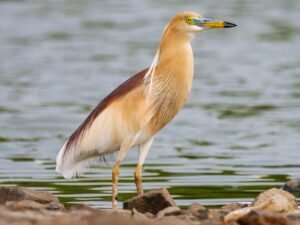
  • Indian Pond Heron
  • Purple Heron
  • Cattle Egret
  • Little Egret
  • White-throated Kingfisher
  • Common Kingfisher
  • Bronze-winged Jacana
  • Moorhen
  • Purple Swamphen

The combination of open water, marsh vegetation, and surrounding trees creates ideal bird habitat throughout the year.

Other Wildlife That Attracts Visitors

Apart from birds, Motijhil supports a variety of wetland-dependent species including:

  • Freshwater fish
  • Frogs and toads
  • Freshwater turtles
  • Water snakes
  • Dragonflies
  • Damselflies
  • Butterflies

Nature photographers often find these species particularly attractive during the monsoon and post-monsoon seasons.

Plant Species and Wetland Vegetation

The wetland ecosystem supports diverse aquatic and semi-aquatic vegetation, including:

  • Water lilies
  • Lotus
  • Floating aquatic plants
  • Reeds and sedges
  • Marsh grasses
  • Native riparian vegetation

The landscaped gardens around Motijhil Park also feature ornamental trees and flowering plants that add to the scenic beauty of the area.

Best Time to Visit Motijhil

Winter (November to February) – Best Season

Winter is undoubtedly the most rewarding season for visitors.

Highlights include:

  • Peak migratory bird activity
  • Pleasant weather
  • Excellent photography opportunities
  • Comfortable sightseeing conditions
  • Clear visibility for birdwatching

Monsoon (July to September)

The wetland becomes lush and vibrant during the rainy season. The lake appears fuller, and aquatic vegetation flourishes, creating beautiful landscapes.

Summer (March to June)

Although temperatures can be high, early mornings remain suitable for birdwatching and photography.

Nearby Tourist Attractions

A visit to Motijhil can easily be combined with several of Murshidabad’s most famous attractions.

Hazarduari Palace

The iconic thousand-door palace and museum that showcases the grandeur of Bengal’s Nawabs.

Katra Masjid

One of the most important historical mosques in Bengal.

Khushbagh

The burial garden of Nawab Siraj-ud-Daulah and other members of the Nawabi family.

Nizamat Imambara

One of the largest Imambaras in India and an important religious landmark.

Travel Tips for Visitors

  • Visit early in the morning for the best birdwatching experience.
  • Carry binoculars and a camera with a telephoto lens.
  • Combine heritage sightseeing with nature exploration.
  • Avoid disturbing birds and nesting areas.
  • Wear comfortable walking shoes.
  • Carry drinking water during summer visits.
  • Respect the historical monuments and archaeological sites.

Conclusion

Motijhil stands as one of West Bengal’s most remarkable destinations where natural heritage and human history coexist. From its origins as a pearl-producing lake during the Nawabi era to its present role as a wetland habitat for migratory birds, Motijhil offers visitors a unique opportunity to experience both the ecological and cultural richness of Bengal.

Whether you are a history enthusiast, birdwatcher, photographer, or nature lover, Motijhil promises a memorable journey through one of Murshidabad’s most treasured landscapes.

Leave a Comment

Your email address will not be published. Required fields are marked *

Scroll to Top